



In today’s rapidly evolving digital environment, CIOs, CEOs, tech leaders, and IT professionals face a critical challenge to implement reliable, customized solutions that align with specific business needs while keeping pace with relentless technological change and rising user expectations. Off-the-shelf software often falls short, leaving gaps in integration, flexibility, and competitive differentiation.
Market Insight:
According to Grand View Research,
Meanwhile, Gartner’s 2024 report states:
“Technology is revolutionizing the way developers design and deliver software, making them more productive than ever.”
Whether you're optimizing operations, integrating AI, or reducing vendor dependence, this guide covers the key benefits of custom software, how it compares to off-the-shelf tools, and how to assess if it’s right for your business.
Custom software development refers to the process of designing, building, and maintaining software customized to meet a specific business's needs. Unlike off-the-shelf solutions built for mass-market use, custom software is developed to align with an organization’s infrastructure, workflows, and objectives.
Pro Tip:
If you're planning to integrate AI into your workflows, prioritize custom software with modular architecture and clean data pipelines. It reduces integration friction and lets your AI models deliver value faster and more accurately.

Custom software development focuses on solving specific business challenges with precision. Unlike off-the-shelf products that are designed for a wide audience, custom-built applications are tailored to a company’s unique workflows, compliance needs, and long-term growth strategies.
In 2026, enterprises in the U.S. are increasingly investing in custom development because it delivers not only efficiency and personalization, but also future-proof scalability, AI readiness, and competitive differentiation.
Here are the top benefits enterprises are seeing today:
1. Personalization
Off-the-shelf software provides general functionality, but custom solutions enable businesses to design features directly aligned with their goals and workflows. In modern enterprises, personalization goes beyond design, it’s about building adaptive, data-driven systems.
This ensures enterprises don’t just “use” software but grow with it.
2. Scalability
As enterprises expand, their software must scale without compromising performance. Off-the-shelf tools often hit limitations, while custom solutions can be built for modular, long-term scalability.
Custom software ensures scalability is predictive, automated, and cost-optimized, rather than reactive.
3. Efficiency and Productivity Gains
Manual processes slow down operations and introduce costly errors. With AI-driven automation, custom software dramatically boosts enterprise productivity.
McKinsey's 2026 AI report emphasizes the potential for substantial productivity gains and workflow efficiencies through AI integration. Efficiency gains aren’t just about speed, they create space for innovation and strategic work.
4. Exclusivity and Competitive Edge
Custom-built software gives enterprises full ownership of their intellectual property, creating solutions that competitors cannot easily replicate.
Exclusivity ensures enterprises are not limited by the “lowest common denominator” functionality of mass-market tools.
5. Enhanced User Experience (UX)
User adoption is critical for enterprise-wide digital transformation. Custom software allows businesses to deliver intuitive, adaptive, and future-ready UX.
In 2026, enterprises investing in AI-enhanced UX report higher employee adoption rates and customer satisfaction scores. User experience is no longer just about design, it’s about creating software that learns, adapts, and delights.
6. Cost-Effectiveness
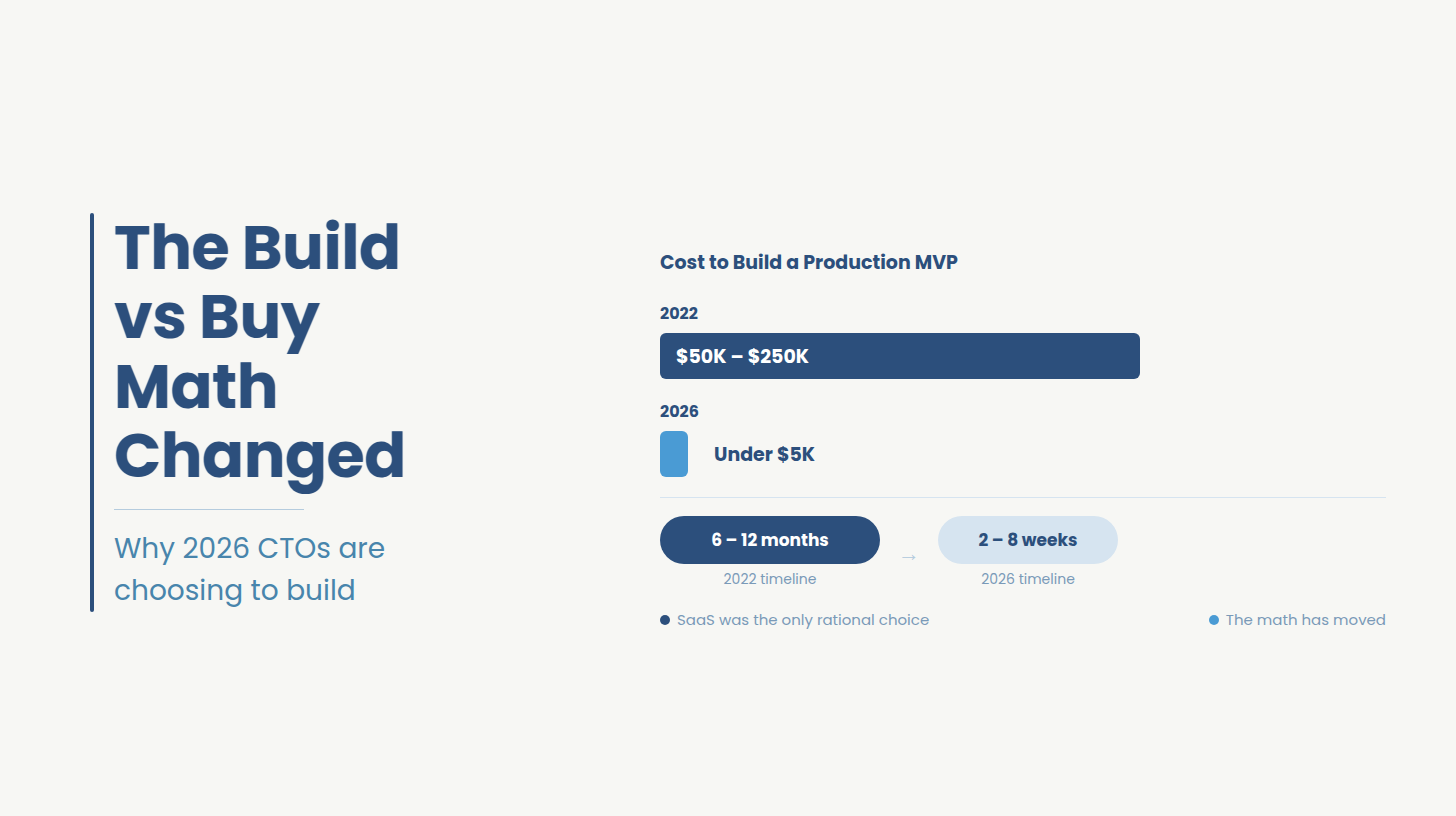
Custom software may have higher initial costs but delivers long-term savings and better ROI.
This allows organizations to achieve sustainable cost-efficiency while building software that precisely meets their needs.
7. Continuous Support and Maintenance
Dedicated support ensures software remains functional, secure, and up-to-date.
This minimizes operational risk, maximizes software lifespan, and ensures ongoing alignment with evolving business requirements.
8. Flexibility and Future-Readiness
Custom solutions adapt to changing business environments and emerging technologies.
This ensures businesses stay competitive, quickly adapt to change, and leverage innovation without being constrained by off-the-shelf limitations.
9. Seamless Integration
Custom software ensures smooth communication between systems, improving operational efficiency.
This enables streamlined operations, better resource allocation, and faster decision-making.
10. Increased Productivity
Tailored applications directly support business objectives, helping teams work smarter.
Teams achieve higher output with less effort, contributing to overall business growth.
11. Mobile and Multi-Platform Readiness
Custom software supports diverse platforms to reach users wherever they are.
This enhances accessibility, engagement, and operational flexibility.
12. Security and Compliance
Security is embedded into every stage of development, not added later.
This builds trust with customers, protects sensitive data, and ensures regulatory compliance.
13. Competitive Differentiation through Emerging Technologies
Custom software allows adoption of cutting-edge technologies that off-the-shelf products cannot match.
This allows enterprises to achieve a technological edge, innovate faster, and create unique market positioning.
While off-the-shelf solutions are ready-made and cost-effective, they often have limitations in functionality and scalability, making them unsuitable for businesses with specialized needs. Custom software, on the other hand, is designed to effortlessly align with an organization’s existing processes and systems.
Here’s a detailed comparison to help executives make an informed choice.
Choosing between custom and off-the-shelf software depends on a business’s needs, but for organizations prioritizing scalability, integration, and AI-driven efficiency, custom software offers long-term strategic value.
Once you understand the key differences, exploring the variety of custom software solutions available reveals how customized applications can address specific business challenges.
Pro Tip:
If your roadmap includes rapid growth, AI adoption, or compliance-heavy operations (e.g., in healthcare or finance), custom software is a smarter long-term investment. It offers deeper integration, avoids vendor lock-in, and gives you full control over data pipelines - all essential for AI and automation.
Talk to Ideas2IT about custom software development that scales with you.
Businesses evaluating software solutions must consider both upfront costs and long-term financial impact. Here’s a table comparing the cost factors of custom software and off-the-shelf solutions across different scenarios and timeframes:
Off-the-shelf software often appears budget-friendly upfront, but hidden costs accumulate quickly. Licensing and subscription fees typically rise as user counts grow, with enterprise-tier plans sometimes exceeding $50,000 annually. These tools rarely meet unique business needs out of the box, requiring expensive integrations or custom development.
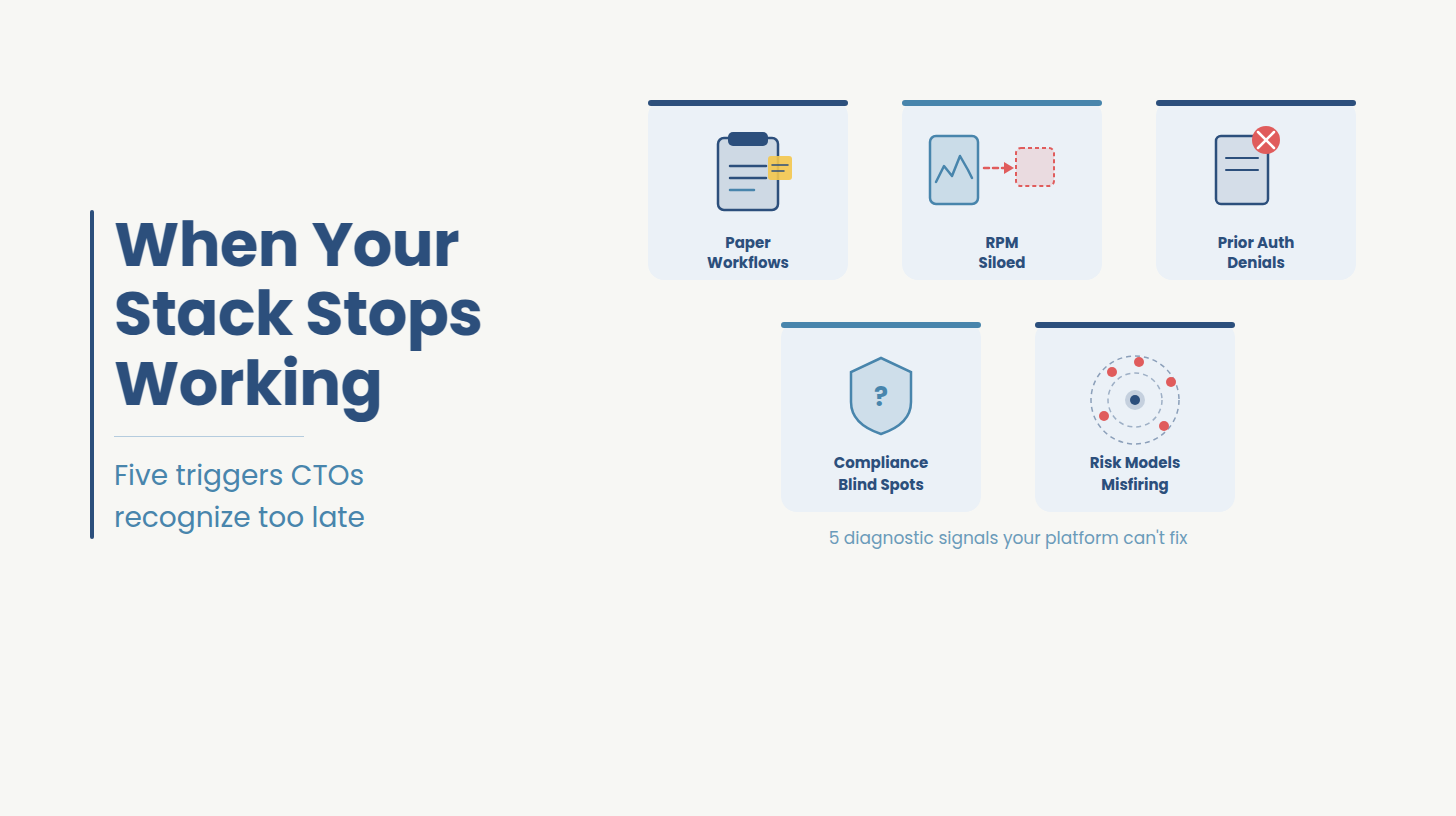
Operational inefficiencies, like employees working around system limitations or needing added IT support, further increase costs. Security and compliance risks are also a concern, especially in regulated industries like healthcare and finance, where meeting standards such as HIPAA or GDPR may demand costly upgrades. As companies scale, limitations around users, features, or API access often force upgrades or full migrations.
Off-the-shelf solutions have lower upfront costs and quick deployment, ideal for small businesses or standard needs. However, ongoing licensing, integration, and upgrade fees can increase total ownership costs over time. Custom software demands a higher initial investment but is customized to specific business needs, avoiding unnecessary features and inefficiencies. Over time, it often delivers significant savings and productivity gains, with ROI usually seen within 2–3 years.
After assessing costs and ROI, it’s important to explore the development process and how AI enhances each phase to create efficient, high-quality custom software.
Also Read: Healthcare Software: Should You Buy or Build
According to the CMI Team, the U.S. custom software development market is projected to grow at a CAGR of 15.2% from 2024 to 2033. Valued at USD 15.2 billion in 2024, it is expected to reach USD 54.3 billion by 2033, driven by increasing demand for industry-specific, custom solutions. This growth reflects increasing industry demand for software tailored to their unique needs.
Here’s how different sectors are benefiting from tailored solutions.
Healthcare providers use custom software to improve patient care, optimize operations, and enhance data security.
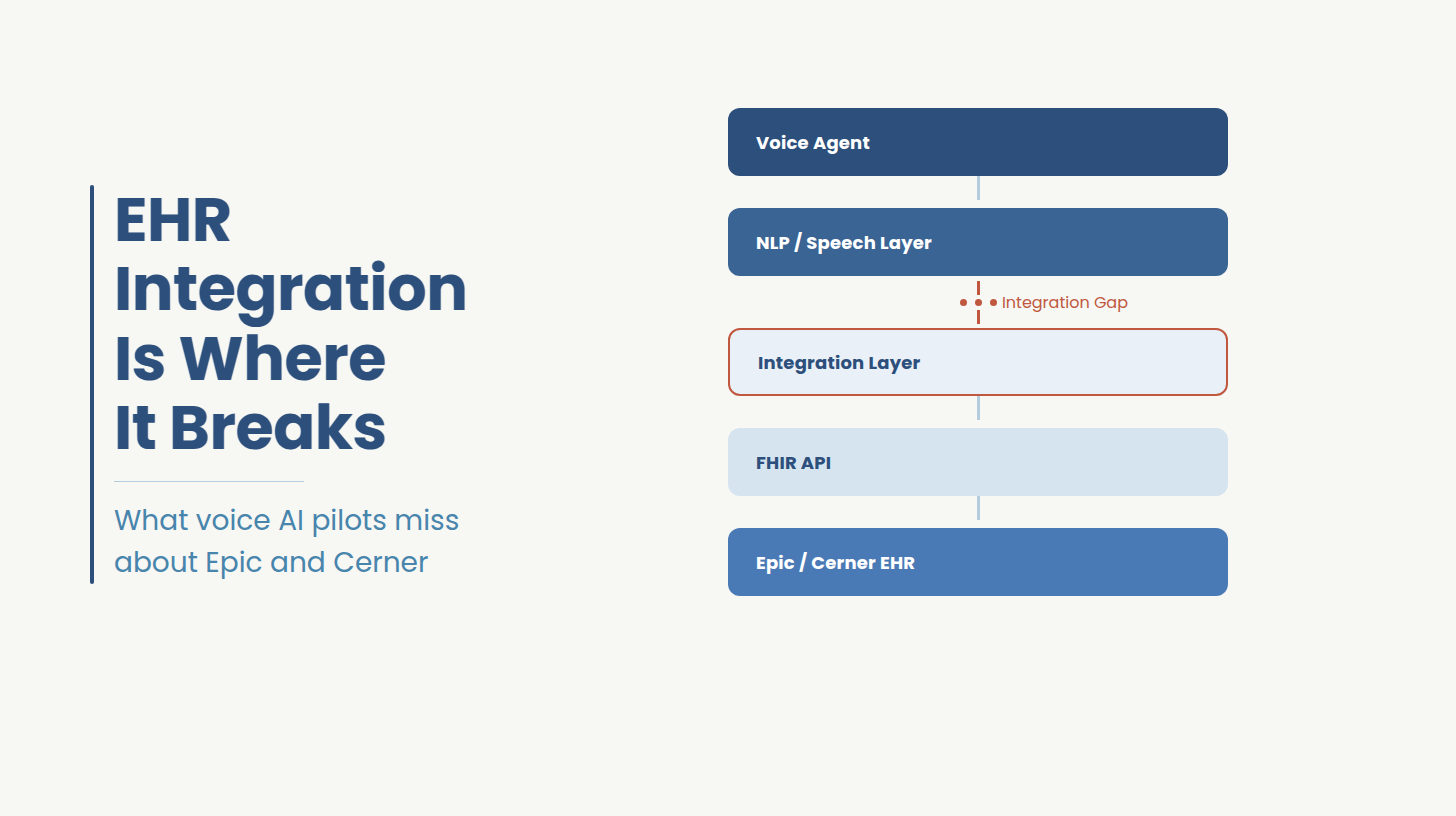
For instance, a hospital network with 90+ locations across India and Africa faced fragmented patient records and complex compliance challenges. Ideas2IT built Ideamed, a custom low-code HIS/EMR platform with 32+ modules and 700+ screens, enabling real-time patient data access, automated compliance, and telemedicine. By integrating HIS, EMR, procurement, and financial systems with MuleSoft and Oracle NetSuite, the platform streamlined workflows and boosted operational efficiency to support rapid expansion. [Learn more here].
Banks, investment firms, and fintech startups are turning to custom software to enhance security, optimize transactions, and provide customers with personalized financial tools.
For instance, a mission-driven fintech company needed to speed up product development and seamlessly integrate multiple financial services. Ideas2IT provided custom software development to enable rapid product launches and smooth financial product integration. The company achieved 20% YoY quarterly revenue growth, successfully launched a new Credit Card product, and seamlessly integrated multiple financial products, enhancing its market presence and customer experience. [Learn more here].
Custom software plays a significant role in the life sciences sector, helping organizations accelerate research, manage complex data, and enhance patient outcomes.
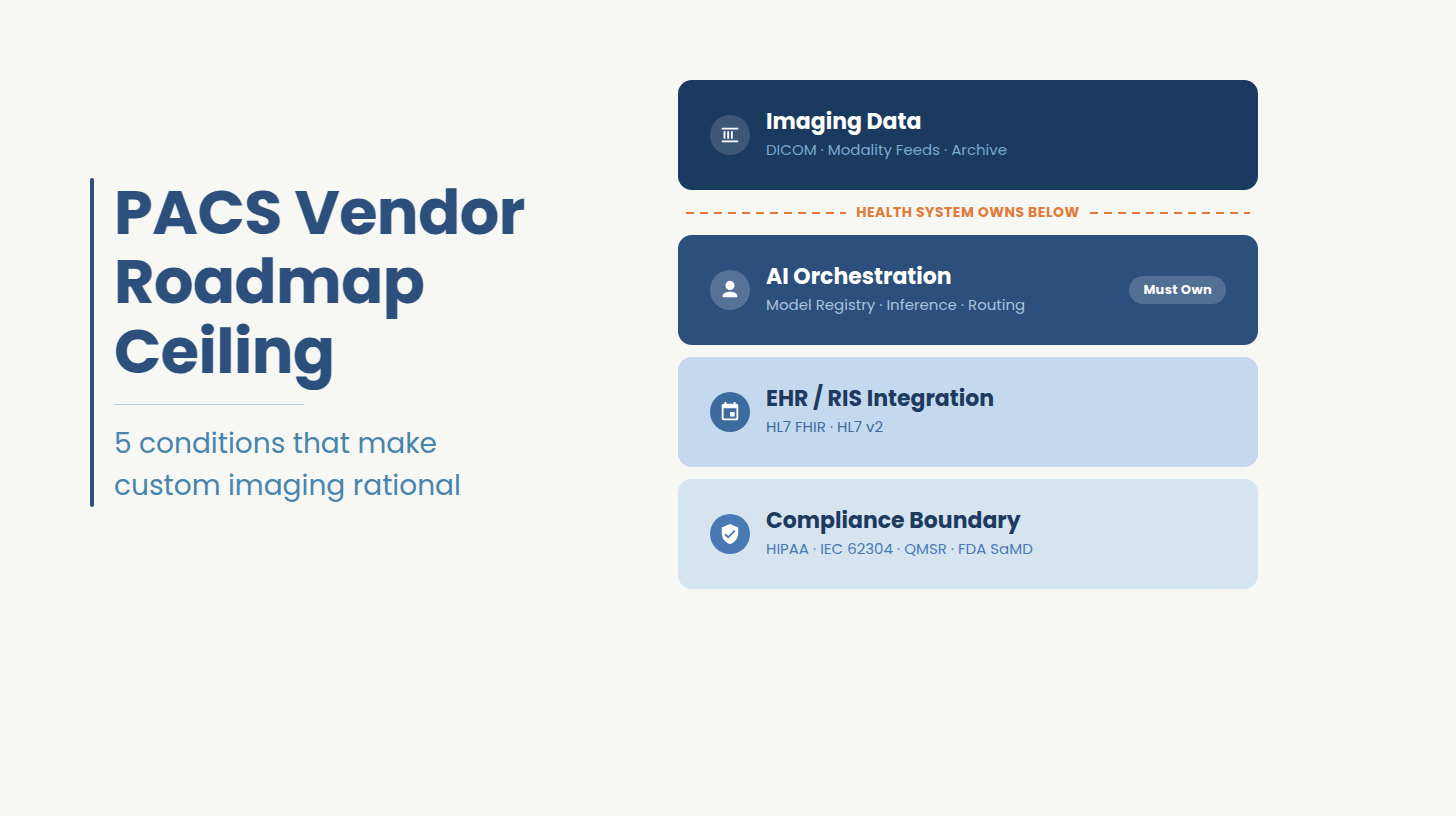
For instance, a global pharmaceutical company faced data inconsistencies, missing values, and anomalies in its clinical trial datasets. Ideas2IT developed an AI-driven solution for a global pharmaceutical leader to enhance clinical trial data integrity and compliance. The system addressed common data issues such as inconsistencies, missing data, and anomalies, ensuring alignment with industry standards like CDISC and SDTM formats. This led to faster drug approvals, reduced costs, and enhanced trust in the data. [Learn more here].
Manufacturers utilize software solutions to improve production efficiency and quality control.
Custom software is critical for IT firms looking to build specialized tools, manage infrastructure, and enhance cybersecurity.
Seeing the industry impact naturally leads to a decision framework, guiding businesses to assess if custom software fits their unique needs and readiness.
Also Read: AI Adoption Frameworks That Scale: Proven Strategies from Healthcare and Beyond
Choosing between custom software and off-the-shelf solutions requires clearly evaluating your organization’s needs and resources. Use this checklist to guide your decision:
If your business faces unique challenges or rapid growth that standard tools can’t fully support, custom software may be necessary.
When standard software fails to meet core requirements, leads to escalating fees, or can’t integrate smoothly, custom software can reduce costs and improve operational fit.
Custom software demands internal commitment, resources, and readiness to adopt new processes for successful implementation.
If your business checks several of the boxes above, custom software may be the right choice. The next step is selecting the right development partner to bring your vision to life.
Choosing the right development partner is critical. Here’s how to choose the right custom software development partner.
Choosing the right development service is one of the most important decisions you'll make for your business. A partner who understands your specific needs, regulatory requirements, and technological challenges can drive your project to success. Here's a checklist to help you assess if a partner is the right fit for your custom financial software development needs.
Look for a partner with proven expertise in your sector, whether healthcare, finance, retail, or technology. Ask yourself:
Your software must meet regulations to ensure data protection and regulatory adherence. Check if the partner:
Your business will continue to evolve, and so should your software. Consider whether the partner:
The differentiator isn’t just the technology; it’s how strategically and effectively it’s used. Assess if the partner:
Ongoing maintenance and support are essential for adapting to evolving business needs and technologies. Choose a partner who:
Effective project management ensures your software is delivered on schedule and within budget. Before moving forward, ask:
Among the many players in the market, Ideas2IT stands out for a reason. Here’s how our approach delivers meaningful business results.
From AI-assisted development to low-code platforms and edge computing, new approaches are reshaping how businesses build, scale, and secure their applications. Staying ahead of these trends is critical for enterprises that want to remain competitive and future-ready.
For enterprises, the takeaway is clear: the winners will be those who adopt these trends not as buzzwords, but as building blocks for scalable, secure, and future-ready software that truly aligns with business goals.
Choosing the right partner for your custom software development is about finding a company that understands your industry’s unique needs. Ideas2IT offers a blend of expertise and experience in building customized solutions. We focus on understanding your goals to deliver the best possible outcome for your business.
Ideas2IT brings deep experience across healthcare, finance, retail, manufacturing, and more. This ensures solutions that meet industry-specific requirements and regulatory standards from day one.
What sets Ideas2IT apart is its AI-first approach. Utilizing Generative AI accelerators and machine learning, Ideas2IT builds applications that automate complex workflows, generate predictive insights, and evolve with your business, delivering real competitive advantage.
We prioritize clear communication and agile project management, ensuring you stay informed and involved throughout development.
In addition to custom development, Ideas2IT offers enterprise application development, AI-driven data science consulting, and cloud migration services, providing a full spectrum of solutions to future-proof your business.
By choosing Ideas2IT, you’re not just getting a software vendor but a strategic partner focused on utilizing AI-powered innovation to redefine your business processes, improve efficiency, and maintain a lasting competitive edge.
Custom software development is about creating solutions that drive efficiency, innovation, and long-term growth. Off-the-shelf solutions often fall short, forcing companies to work around limitations instead of solving their core problems. Custom-built software, on the other hand, provides flexibility, scalability, and a competitive edge, ensuring that technology adapts to your business, not the other way around.
At Ideas2IT, we specialize in AI-powered software engineering, delivering tailored solutions for industries like healthcare, finance, and life sciences. Contact us today to develop AI-driven custom software that accelerates your growth.
Reference:


.png)
